How Ceramic Coating Holds Up Against Utah's 4 Seasons
Utah is one of the most demanding climates in the country for vehicle paint. Within a single year, a car in Ogden faces road salt and freezing temperatures in winter, rapid UV buildup in spring, intense heat and airborne debris in summer, and wildfire ash in fall. Each condition attacks your paint in a different way, and a standard wax or sealant simply cannot keep pace with all four.
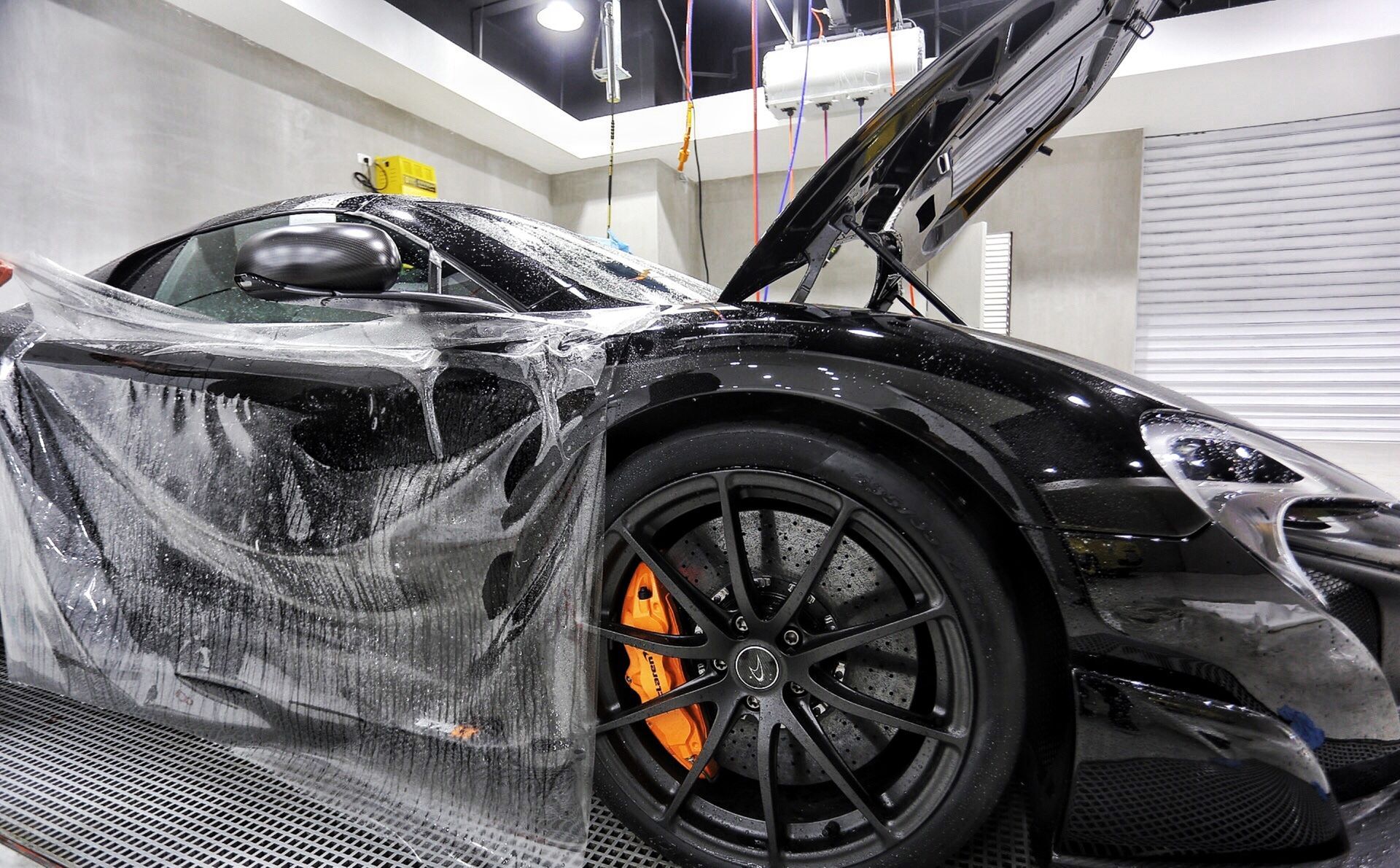
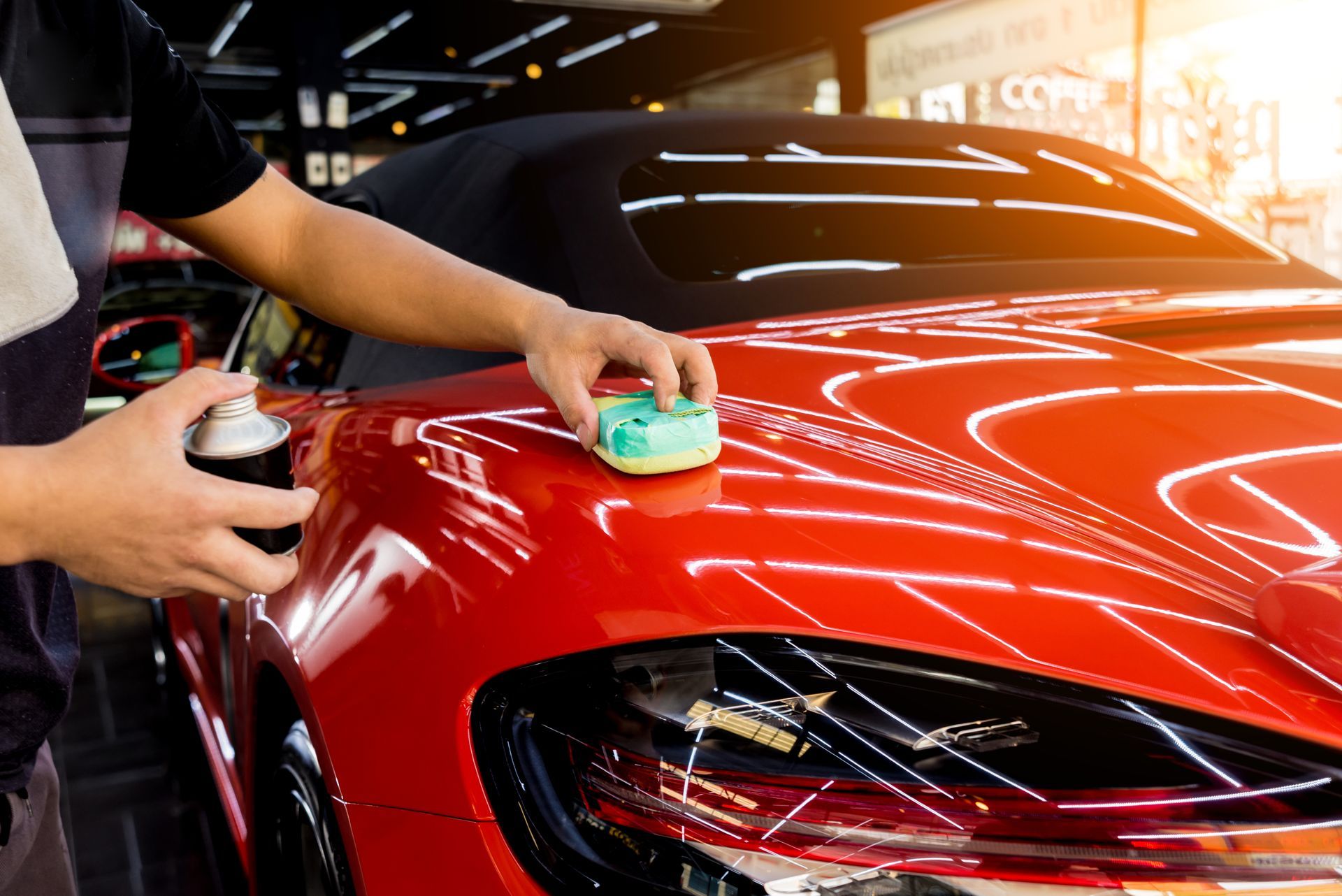
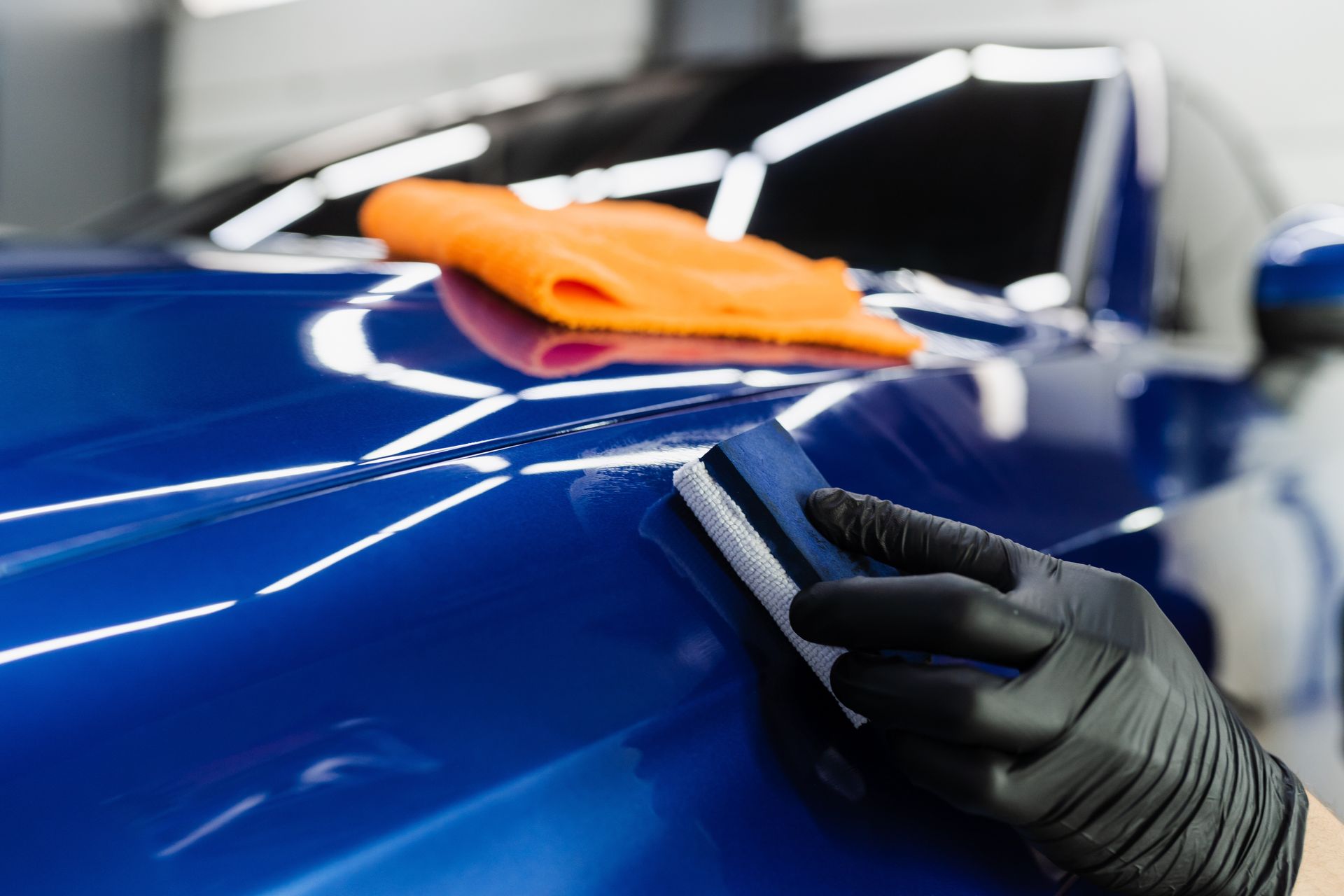
Ceramic coating bonds chemically to the paint surface rather than sitting on top of it. That distinction matters. It creates a layer that does not wash off, does not break down under UV, and does not allow corrosive elements to work against your clear coat. Here is why that makes a difference in each Utah season.
Winter: Road Salt and Oxidation
Utah roads are treated heavily with salt and brine throughout winter. On bare paint, that chemical exposure accelerates oxidation and can work into the clear coat over time if the surface is not washed regularly. A ceramic coating creates a chemical barrier between the salt and your paint. Its hydrophobic surface causes brine and salt-laden water to bead off and sheet away rather than sitting against the panel. Winter washing is still important, but a coated vehicle cleans faster, dries cleaner, and carries far less contamination between washes than an unprotected one.
Spring: UV Intensity Increases Faster Than You Think
Utah's elevation means UV radiation ramps up quickly once winter ends. Unprotected paint begins to oxidize and fade well before summer arrives, particularly on darker colors that absorb more heat. Ceramic coating includes UV-blocking properties that significantly slow that fading process. The coating acts as a sacrificial layer against UV exposure, preserving the depth, richness, and clarity of your paint's color through the full spring and summer stretch. According to the International Detailing Association, UV damage is among the leading causes of paint degradation on uncoated vehicles.
Summer: Contaminants Bond Fast on Bare Paint
Utah summers bring road tar, bug splatter, industrial fallout, and fine dust that bakes onto paint surfaces in the heat. On bare paint, these contaminants bond quickly and require heavy scrubbing to remove. On a ceramic-coated surface, the same contaminants have a much harder time adhering. A light rinse removes a substantial amount of buildup that would otherwise require an aggressive wash on unprotected paint. Less aggressive washing means fewer swirl marks introduced to the surface over time, which keeps the finish looking sharper for longer.
Fall: Wildfire Ash and Acidic Fallout
Late summer and fall in Utah frequently bring wildfire smoke and ash deposits across the Wasatch Front. Ash is mildly acidic, and if left to sit on unprotected paint, it can etch into the clear coat. A ceramic-coated surface is significantly more resistant to that type of chemical etching. The same hydrophobic layer that sheds water in winter also makes ash easier to rinse free before it has the opportunity to cause damage. It is one of the less-discussed advantages of ceramic coating that becomes very relevant in a state with Utah's fire season.
The Bottom Line for Ogden Vehicle Owners
No coating makes a vehicle immune to damage, and regular washing is still essential regardless of what is on the paint. But ceramic coating is the most complete single investment a Utah vehicle owner can make to keep their paint performing well across every season. BMR Auto Detailing Studio in Ogden, UT offers multiple coverage tiers to fit your vehicle, your goals, and your budget. Reach out today and we will walk you through your options.